More Than a Name. A Philosophy of Possibility.
Every person has the capacity to change the way they experience life. Sometimes, the turning point begins when we understand the patterns we've been living by—and realize they don't have to write the next chapter.
Inspired by the Latin word for light, Lumina represents those moments when something begins to come into focus: when confusion gives way to clarity, hope returns and new possibilities become easier to see.
A reminder that you don't need to become someone else to create change. You can reconnect with who you are, rediscover what matters and begin making choices that feel more like your own.
Together, Lumina Within is about seeing yourself more clearly—and discovering the freedom to think, feel, choose and live in ways that reflect who you want to become.

A belief at the heart of this work
I don't believe people are broken. We develop ways of thinking, feeling and responding through the experiences we've lived. Some patterns help us get through difficult times; others keep running long after those times have passed—showing up as self-doubt, overthinking, people-pleasing or the sense that we're somehow not good enough.
When we meet these patterns with curiosity instead of judgment, we can begin to understand them, question what no longer fits and create new ways of responding. Our past can help explain our story, but it doesn't have to decide what comes next.

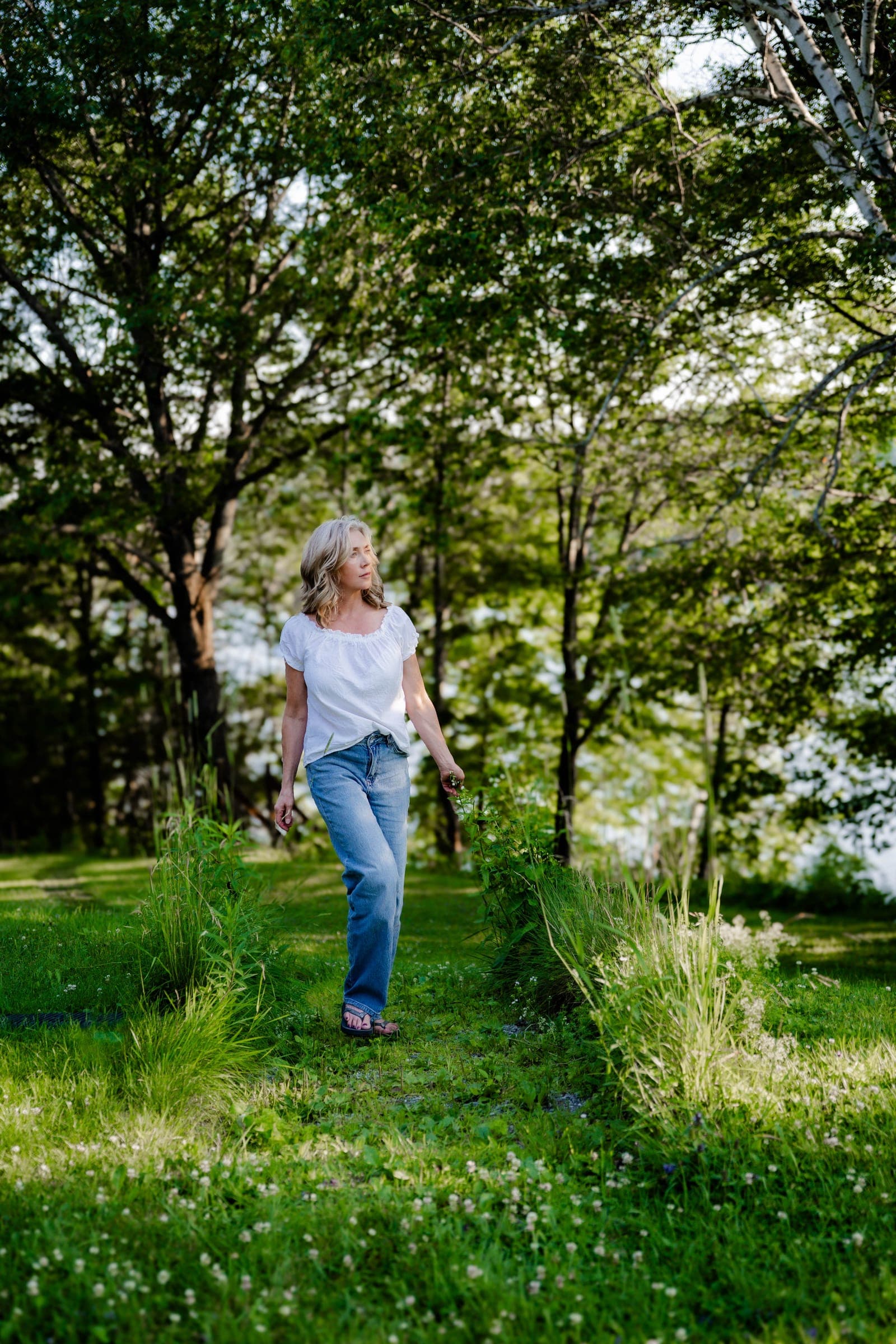
Get to know the person behind Lumina Within.
Aimee's own path — through instability, caregiving, and a search for real answers — is what led her to this work. Read her story in her own words.
Meet Aimee Meet Aimee

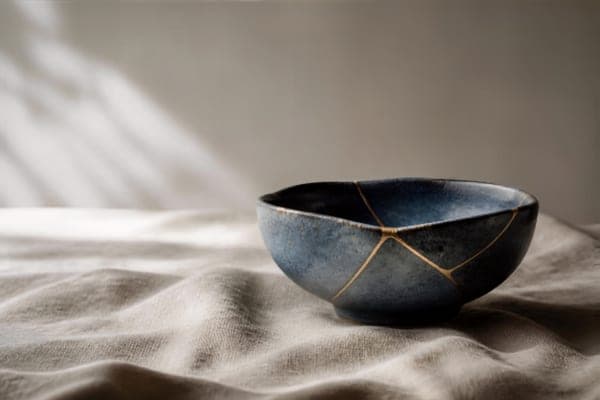
The Inspiration of Kintsugi
The philosophy of Lumina Within is inspired by Kintsugi, the Japanese art of repairing treasured pottery with gold. Rather than hiding its cracks, Kintsugi honours the object's history and makes the repaired lines part of its beauty. The piece is not valued despite its journey; its journey becomes part of what makes it unique.
Our experiences become part of our story, too. When we look at them with understanding and compassion, we can discover not only what hurt or held us back, but also the resilience, wisdom and strength we've carried forward.
Change isn't about erasing your story or pretending the difficult parts never happened. It's about understanding your story, honouring what you've lived through, and deciding what you want to carry forward—and what you're ready to leave behind.